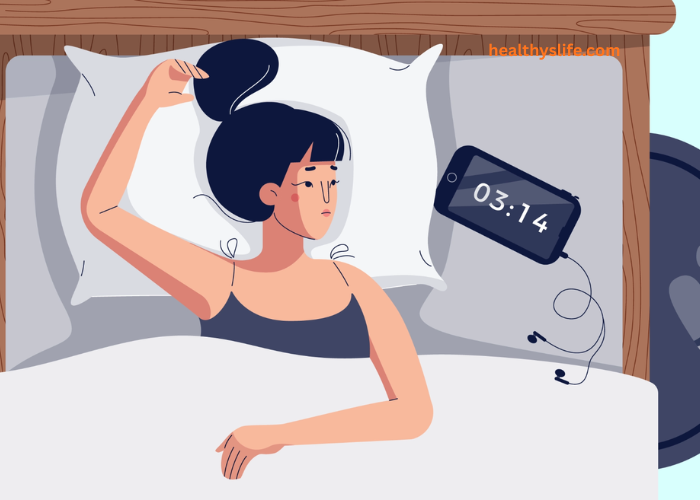
Sleep should be a quiet time when the mind rests and the body recovers. For people with ADHD, falling asleep at night often becomes a challenge. Poor sleep further exacerbates the ADHD symptoms, creating a vicious cycle of never-ending frustration. Why does this happen? Let’s learn it here.
ADHD and Sleep Disturbances
Studies show that in people with ADHD, some parts of the brain become “hyperactive,” while others become “hypoactive.” This means it’s more difficult to control racing thoughts, relax their bodies, and fall asleep. When people with ADHD get into bed, their minds are often preoccupied with old memories, plans for tomorrow, or impractical thoughts. A study showed that ADHD affects sleep in patients:
- People with ADHD take five times longer to fall asleep than others.
- They take short naps and don’t sleep all night.
- They have trouble falling asleep and rarely achieve deep sleep.
- They wake up multiple times during the night.
ADHD and sleep impact on children:
- Children with ADHD take more than two hours longer to fall asleep than other children of the same age.
- They typically sleep an hour less each night.
- Sleep problems can begin as early as age 12.
- These problems often persist into adulthood.
Common Sleep Problems in ADHD
Individuals with ADHD experience numerous common sleep problems. Understanding these specific disorders can help explain why sleep is so difficult.
Insomnia:
Insomnia refers to the inability to fall asleep or stay asleep. Many patients reported lying in bed for hours with racing thoughts through their minds. They likely feel physically tired, but their minds struggle to calm down enough to fall asleep.
Sleep apnea:
Sleep apnea is a condition in which breathing stops and restarts during sleep. Adults with ADHD are more likely to experience sleep apnea. When the brain stops breathing, it causes brief awakenings, even if the person doesn’t remember waking up. This results in a light sleep throughout the night, preventing the necessary deep sleep from occurring or lasting long enough. Hence, many often feel tired even after spending eight hours in bed.
Restless leg syndrome:
This syndrome causes restless legs and an uncontrollable urge to move them. This condition acts as another barrier between people with ADHD and the rest they so desperately need. Children with this problem often describe their legs as “ticky” and “spider-like.” Additionally, it prevents them from sleeping for long periods…
Delayed sleep phase:
This condition affects the timing of biological rhythms, causing a person to sleep and wake up later than normal. Therefore, an individual with ADHD goes to bed and wakes up very late. Because this conflicts with their daily school and work schedules, they experience a constant state of sleep deprivation.
How does poor sleep affect daily life?
When people with ADHD don’t get the right amount of good-quality sleep, they have difficulty coping with daytime symptoms. Lack of sleep can lead to the following problems:
- Increased difficulty concentrating and paying attention
- Increased levels of hyperactivity and restlessness
- Difficulty controlling emotions (or controlling anxiety, which is a major cause of bedtime frustration)
- Experience fatigue always
- Making more hasty decisions
- Memory problems
- Increased irritability
- Rejecting fun activities at the end of the day to fall asleep
These problems can further impair work, school, and relationships. Children may experience more behavioral problems at school. Adults may experience more difficulties with job performance or family responsibilities.
More importantly, studies show that older adults with ADHD are more likely to experience restless sleep, sleep talking (somniloquy), nightmares, and recurring thoughts. Therefore, it’s best to consult a geriatric psychiatrist for their mental health guidance. This is because mental health in older adults is a prudent issue that requires a gentle approach.
How to sleep better with ADHD?
Remember that if sleep problems are making life with ADHD difficult, the first step should be to talk openly with a medical professional. The healthcare professional will evaluate the condition to understand it and find the most appropriate treatment.
A mental health professional makes a treatment plan after assessing an individual’s psychological condition, lifestyle, including sleep patterns. For example, they can ask short questions like:
- How long does it take you to fall asleep?
- Do you feel strange in your legs when you fall asleep?
- Do you feel rested when you wake up?
They may recommend somnography for some patients to provide the right solution. These diagnostics can also help them determine the cause of issues like breathing difficulties or sleep problems. Based on an individual’s condition, they plan treatment to address sleep problems in people with ADHD. Treatment goals may vary depending on the patient’s specific problem.
Many treatment methods have been tried and proven successful for ADHD-related sleep problems, such as:
Sleep hygiene education:
Introducing healthy sleep hygiene is the cornerstone of treatment. This includes counseling and awareness of the impact of eating, activity, supplement intake (if prescribed), and sleep preparation.
Behavioral therapy:
Cognitive Behavioral Therapy for Insomnia (CBT-I) is a very effective, proven technique to treat sleep disorders. This therapy teaches people how to modify their distressing thoughts and actions that are interfering with sleep.
Relaxation techniques:
Activities such as deep breathing, gentle muscle relaxation, or meditation are used to relieve mental and physical stress.
Light therapy:
For those who experience delays in falling asleep, pre-determined and gradually increased light in the morning and decreased light at night can be used to reset their internal body clock.
Adjusting medication:
ADHD medications can help improve the condition, but in some cases, they can also exacerbate sleep problems, depending on the quality of the medication and the specific user. Some stimulants, if taken too late in the day, can disrupt sleep for some people, but for others, they help calm their hyperactive brains, leading to better sleep. For pre-determined patient groups, these may include:
- Starting medication early rather than late
- Taking medication with a shorter duration of action
- Administering a lower dose of medication at bedtime
- Using non-stimulant medications that generally induce sleep
Remember, this isn’t always the case. If these problems arise, psychiatrists often do the following:
- Change the medication’s timing
- Facilitate the medication’s dosage
- Suggest a different ADHD medication
Keep in mind that good sleep isn’t just about waking up more rested in the morning; it’s about laying the foundation for enjoying life while keeping your ADHD under control. So, if you have ADHD and a sleep disorder, don’t suffer in silence. You’re not alone. Help is available in the form of telepsychiatry. Thanks to telepsychiatry, you can receive online psychiatrist treatment and ADHD testing from the comfort of your home. So, get good sleep and promptly invest in improving your concentration and mood.

In today's fast-paced world, where every moment seems to be filled with endless tasks, notifications, and responsibilities, the concept of Read more

In today's fast-paced world, the concept of living well has taken on new dimensions. With technology advancing at lightning speed, Read more

When stress, relationships, or major life changes start to feel overwhelming, finding the right counseling practice matters. These seven counseling Read more